Web development continues to evolve at an unprecedented pace, making it one of the most dynamic and rewarding fields in technology. For developers, this evolution brings both opportunities and challenges. Staying relevant requires mastering essential skills, embracing emerging trends, and constantly adapting to new tools and frameworks. As businesses increasingly prioritize digital transformation, the demand for skilled web developers has never been higher. But what does it take to stand out in 2024?
In this comprehensive guide, we’ll dive into the core skills every web developer should master, explore the latest trends shaping the industry, and outline advanced techniques to help you stay ahead of the curve. Whether you’re starting your journey in web development or looking to expand your expertise, this guide provides actionable insights to enhance your career and contribute meaningfully to the projects you undertake.
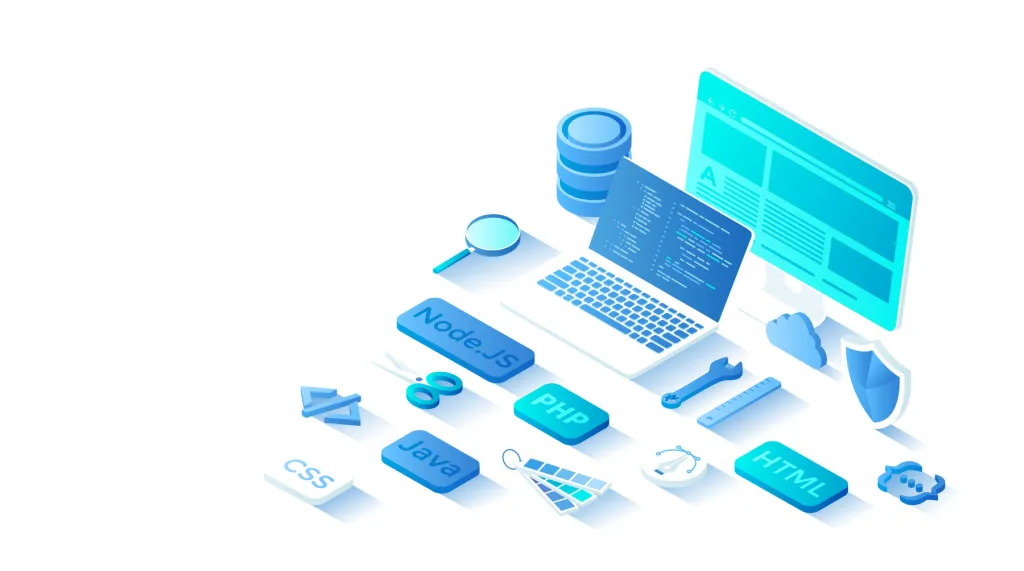
Proficiency in HTML5, CSS3, and JavaScript
The trifecta of HTML, CSS, and JavaScript forms the backbone of web development. While these technologies are foundational, their scope and capabilities have evolved significantly. In 2024, developers must not only understand the basics but also dive deep into advanced features.
HTML5 is no longer just about structuring content; it’s about using semantic tags effectively to improve accessibility, SEO, and user experience. For instance, implementing ARIA attributes alongside semantic HTML ensures that your web applications are inclusive and usable by individuals relying on assistive technologies.
CSS3 has transformed the way we style web pages. Responsive design has become a necessity, and techniques like CSS Grid and Flexbox make creating flexible, adaptive layouts simpler and more efficient. Additionally, the rise of CSS variables (custom properties) allows for consistent theming and easier maintenance of large codebases.
JavaScript continues to dominate as the most versatile language for both client-side and server-side development. Staying updated with the latest ECMAScript (ES2024) features, such as top-level await and the temporal API, is essential for writing modern, efficient code. Developers must also focus on mastering JavaScript modules and understanding their role in modular architecture, which is a key practice in modern web development.
Version Control with Git
Version control systems like Git are essential tools for any developer. Beyond tracking changes in your code, Git facilitates collaboration, streamlines workflows, and provides a safety net for projects. By 2024, developers are expected to go beyond the basics of Git and master advanced workflows.
For instance, implementing branching strategies such as GitFlow or trunk-based development can significantly improve team productivity. Tools like GitHub Actions and GitLab CI/CD have made it easier to integrate automation into the development process, allowing developers to build, test, and deploy applications seamlessly. Knowing how to resolve merge conflicts and perform rebase operations efficiently is also crucial for maintaining a clean and understandable project history.
Modern JavaScript Frameworks and Libraries
Frameworks like React, Angular, and Vue.js are indispensable for building modern web applications. These tools simplify the development of complex user interfaces and enhance the overall development experience. However, choosing the right framework and keeping up with its updates is critical.
React, for example, continues to lead the pack with its simplicity and flexibility. Features like concurrent mode and server components offer new ways to improve performance and scalability. Meanwhile, Angular’s powerful tooling and strict typing make it ideal for enterprise-level applications. Vue.js, with its Composition API and ecosystem, is perfect for developers who prioritize simplicity without compromising on capabilities. Understanding the nuances of each framework and when to use them will set you apart as a versatile developer.
Responsive Web Design and Mobile-First Development
In an era where mobile devices dominate web traffic, responsive web design is no longer optional. A mobile-first approach ensures that your websites and applications provide a seamless experience across all screen sizes and devices.
Learning how to utilize media queries effectively, implement fluid grids, and design for touch interactions are fundamental aspects of responsive design. Frameworks like Tailwind CSS and Bootstrap remain popular choices for quickly building responsive layouts. Testing tools such as BrowserStack or LambdaTest are invaluable for ensuring compatibility across various browsers and devices. In 2024, developers who prioritize responsive design will cater to the growing demand for accessibility and usability.
Advanced Tools and Techniques
Web Performance Optimization
Web performance optimization is essential for providing fast, efficient, and user-friendly web experiences. Users have little patience for slow-loading pages, and search engines reward speed with better rankings. To optimize performance, developers must focus on several key areas.
Minimizing file sizes through tools like Webpack or Vite ensures faster load times. Lazy loading of images and JavaScript allows content to appear as needed, improving perceived performance. Using CDNs (Content Delivery Networks) like Cloudflare helps reduce latency by delivering assets from servers closer to the user. Additionally, techniques like code splitting and preloading critical resources ensure that users can interact with your site as quickly as possible.
Serverless Architecture
Serverless computing is redefining the way developers approach backend development. Platforms like AWS Lambda, Google Cloud Functions, and Azure Functions allow developers to run code without managing servers, making it easier to scale applications and reduce costs.
In a serverless architecture, you can focus on writing code while the cloud provider handles infrastructure, scaling, and maintenance. For web developers, this means faster deployment cycles and lower operational overhead. Learning how to design serverless applications, optimize functions for cold starts, and manage costs effectively will be crucial skills in 2024.
Progressive Web Apps (PWAs)
Progressive Web Apps (PWAs) combine the best of web and mobile apps, offering offline access, push notifications, and fast load times. PWAs are increasingly popular because they provide a native app experience without the need for app store downloads.
To create a PWA, developers must master service workers for caching and offline functionality, web app manifests for app-like behavior, and tools like Lighthouse for performance auditing. As businesses look for cost-effective ways to engage users, PWAs represent a growing area of opportunity for web developers.
More Trends and Techniques Coming Next
In the next section, we will delve deeper into cutting-edge trends such as Web Assembly (Wasm), AI integration in development, low-code platforms, and collaboration best practices for teams. Stay tuned for actionable insights to refine your skills and keep pace with the rapid evolution of web development!
Emerging Trends and Techniques for 2024
Web Assembly (Wasm): Unlocking Native-Like Performance
Web Assembly (Wasm) is revolutionizing the way web developers approach high-performance applications. By allowing developers to compile code written in languages like C++, Rust, or Go into a binary format that runs directly in the browser, Wasm enables near-native execution speeds.

For web developers, Wasm is particularly valuable in scenarios that require heavy computation, such as gaming, 3D rendering, and data visualization. Integrating Wasm with JavaScript allows developers to leverage the strengths of both technologies, ensuring smooth performance without sacrificing flexibility. Mastering tools like Emscripten or learning Rust for Wasm integration can give you a significant edge in building cutting-edge applications.
AI and Machine Learning in Web Development
Artificial Intelligence (AI) and Machine Learning (ML) are no longer confined to specialized fields—they are becoming integral to web development. AI-powered tools can automate repetitive tasks, enhance user experiences, and provide personalized content recommendations.
For example, integrating AI chatbots into websites using platforms like Dialogflow or Microsoft Bot Framework can improve customer service while reducing operational costs. Additionally, ML models can be embedded into web applications using JavaScript libraries such as TensorFlow.js to provide real-time analytics or predictions. In 2024, understanding how to apply AI in practical web development scenarios will be a valuable skill for developers aiming to innovate.
Low-Code and No-Code Development
Low-code and no-code platforms are reshaping how web applications are created. These tools enable developers—and even non-developers—to build functional web solutions quickly and efficiently. Platforms like OutSystems, Mendix, or Bubble allow businesses to prototype ideas, streamline workflows, and reduce time-to-market.
While these platforms are not a replacement for traditional development, understanding their capabilities can help you work more effectively in environments where rapid iteration is essential. Additionally, pairing low-code platforms with custom development ensures that you can extend their functionalities when needed.
Collaboration and Productivity in Team Environments
Agile Methodologies for Teamwork
Agile development practices, particularly Scrum, remain the gold standard for managing web development projects in teams. Familiarity with Agile principles helps developers align with cross-functional teams, maintain transparency, and deliver iterative improvements.
Daily standups provide opportunities to communicate progress, identify blockers, and align team goals. Sprint planning sessions ensure that projects are broken into manageable tasks, while retrospectives allow teams to reflect on what worked well and what can be improved. By embracing Agile, developers can contribute to more efficient and collaborative team environments.
The Role of Git and DevOps
Git remains a cornerstone of modern web development collaboration. Beyond its version control capabilities, Git integrates seamlessly with DevOps practices to automate workflows and enhance productivity. Developers should focus on mastering advanced Git commands, setting up GitHub Actions for CI/CD pipelines, and leveraging Git submodules for managing dependencies.
Incorporating DevOps tools like Docker and Kubernetes further enhances your ability to manage deployments and scale applications. These tools simplify the process of building, shipping, and running applications, making them essential for developers aiming to work in dynamic environments.
Soft Skills for Developers
While technical expertise is essential, soft skills like communication, problem-solving, and adaptability are increasingly valued. Developers who can articulate technical concepts to non-technical stakeholders, navigate challenges creatively, and remain open to new technologies will thrive in 2024.
For example, being able to present your work effectively during team meetings or collaborating with designers and product managers ensures that your contributions align with broader project goals. Additionally, fostering a growth mindset will help you adapt to the ever-changing landscape of web development.
Web Development in 2024: Staying Ahead of the Curve
Security Best Practices
Cybersecurity is a growing concern in web development, with new threats emerging daily. Developers must prioritize security from the outset by implementing best practices like:
- Using HTTPS to encrypt data in transit.
- Securing APIs with tokens and OAuth protocols.
- Regularly testing for vulnerabilities using tools like OWASP ZAP or Burp Suite.
Additionally, staying informed about common threats like cross-site scripting (XSS), SQL injection, and CSRF attacks ensures that your applications are robust and secure.
Web development in 2024 is an exciting field that blends foundational skills, innovative trends, and collaborative practices. By mastering core technologies like HTML, CSS, and JavaScript, exploring advanced tools such as Wasm and AI, and embracing emerging trends like serverless architecture and PWAs, you position yourself as a forward-thinking developer ready to tackle any challenge.
The journey to becoming a proficient web developer is not linear. It requires continuous learning, experimentation, and adaptation. However, with dedication and the right approach, you can not only meet industry demands but also shape the future of web development.